Ward Smarter, not Harder: How Wards Can Save Your Lane
Learn more about essential warding tricks in League of Legends to help you win more games.
Learn more about essential warding tricks in League of Legends to help you win more games.
If you’ve been in a game of League of Legends where three-quarters of the map seems dark all match, you know the importance of warding. Knowing where the enemy jungler is farming, seeing where that missing mid laner went (even if your ally doesn’t ping), and having five sets of eyes able to see the objectives coming into the map can be major factors in tipping the scales of a close game.
While warding might feel like something that Support players are supposed to be focusing on, every role contributes to vision in a number of important ways. A top laner having vision on the pixel brush leading into their lane can stop a level two gank. The Jungler clearing enemy vision with an Oracle Lens (red trinket) could lead into an amazing gank opportunity in a minute or so that turns your lane around. Someone taking time to place a ward on Drake as it is about to spawn could help prevent the opposing jungler from getting a free objective. Vision is far from only the support’s job, but they do have a big hand in it thanks to their role-specific warding items.
Despite vision being something that can help you when you are behind. It can in a way become a win condition if used correctly. Keeping an eye out on the paths leading into your lane can keep you from handing over a hefty 700g bounty to the enemy toplaner. Warding and vision are a huge boost to everything your team will need to win the game. Warding proactively is warding for victory.
As a general rule, do your best to keep vision on areas of the map where fights are likely to break out, like Dragon Pit when the last regular Drake of the game is about to spawn, bushes entering a lane that has a large bounty sitting in it, and choke points where people are likely to flank your team from.
Normally the early game is more defensive; you want to protect yourself or your team from getting caught out by two, maybe even three or four enemy champions. If you see the opportunity to ward Void Grubs before the enemy Jungler can path there, though, it might give your jungler the heads up they need when deciding where they should head next.
Mid-game is where you’ll find more use for objective warding. Put your focus on either keeping or gaining an objective lead by starving the enemy team of resources. If your team can know exactly when the enemy starts going for an objective, you can coordinate a teamfight. If you all go in blind, it is much riskier for everyone involved. A ward on Baron might let your Kha’Zix jump over the pit and smite it away. Going in blind is usually a death sentence.
Top lane is often known as an island, but that doesn’t mean you are safe from a gank or two. Warding the topside pixel brush can protect you from a sneaky level two gank from Junglers that have strong early dueling power. A single defensive ward in the early laning phase can keep that scary looking enemy Garen from getting First Blood, if you plan ahead.
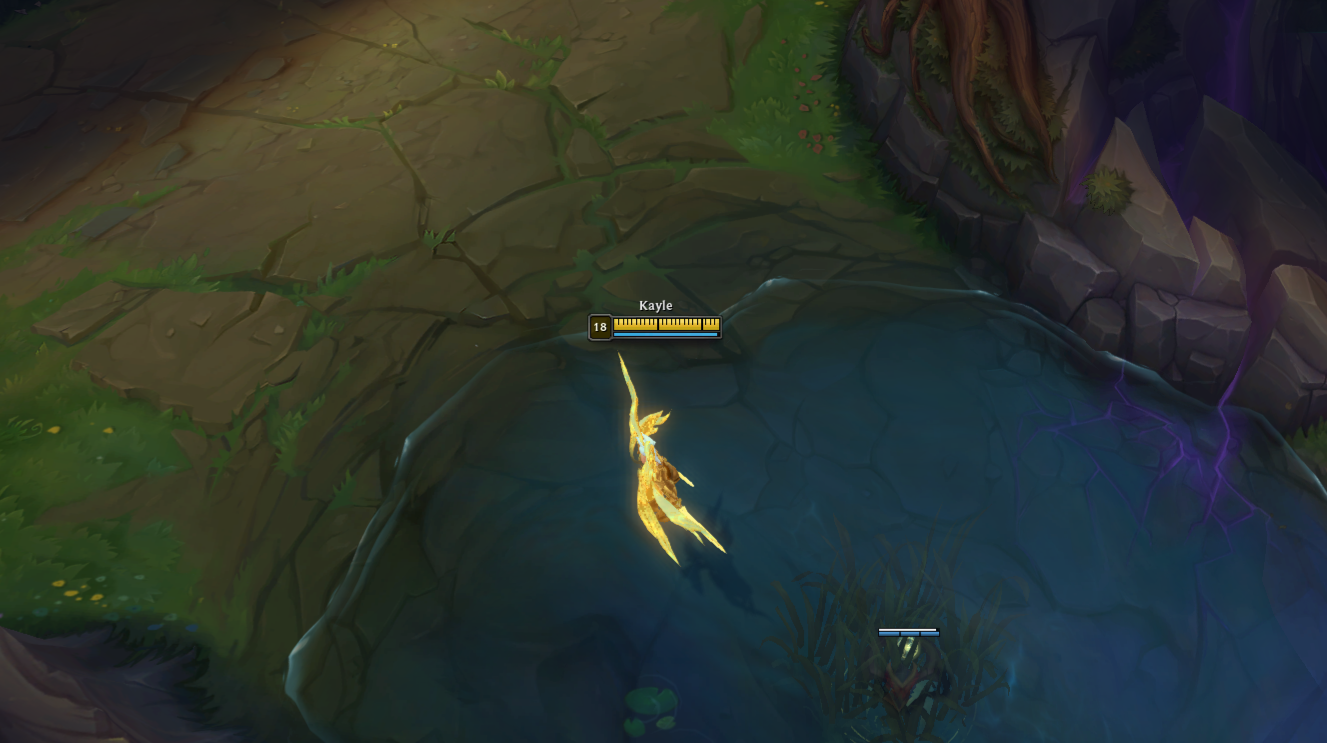
If you end up getting a good push in your lane, or even taking the outermost turret, warding jungle exits can be a good way of knowing if the enemy is trying to invade your jungle. Watching the enemy’s jungle lets you spot them before they invade or rotate for a gank. It’s a way to protect the safety of your allies! If possible, track their camp clears with deep wards at raptors or Herald to give your Jungler and mid laner a clearer picture of what’s going on above them.
One more thing to keep in mind is that wards placed by your allies can serve as teleportation points, letting you turn a 2v2 into a 3v2 with ease.
When you jungle, you are usually not using vision for your own safety, unless you have deep wards for path tracking. The tools you’re given are better suited to setting tempo and keeping the team on track. If you have time at the start of the game, warding your opposite-side buff to see if you need to adjust your pathing can help you avoid losing out on early experience.
Getting wards directly where the objectives are in the midgame is important but limits your team’s vision. Leading into the objective, if your Support has yet to do it, placing a ward or two on the opposing side’s paths to Drake or Baron can help you brace for impact. Seeing how many people are approaching, what moves they might have at their disposal, and who you can send to deal with them is important.
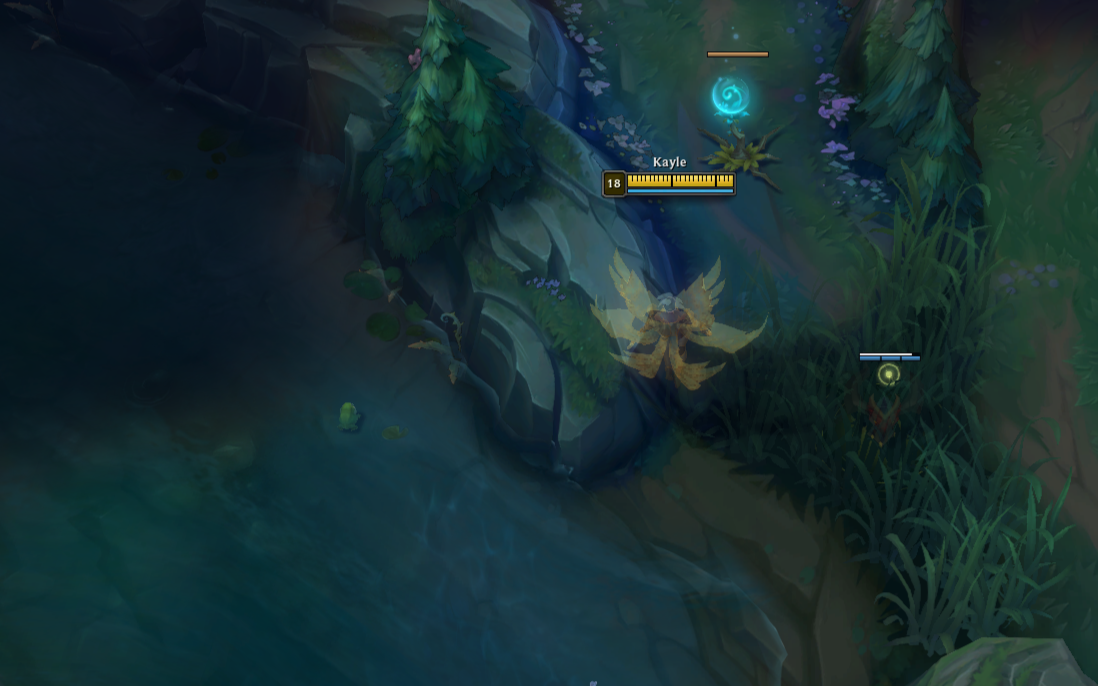
Once we head into the late game, we want to make sure that we are not facechecking the entire enemy team when we go for an objective or teamfight. The last thing any Jungler wants is for their AD Carry or a squishy midlaner to get caught out by the enemy Garen.
Being in the center of the map gives you a lot of advantages, but also makes you really vulnerable to ganks, both from junglers and from the enemy sidelaners. Keeping vision in the bushes leading into your lane is usually your first priority, since it keeps your lane alive. While you aren’t as likely to be placing deep wards in the enemy jungle, a Farsight Alteration trinket can help you scout ahead and prepare for objective fights. Getting a glimpse of Rift Herald could give your ADC time to ult from botside and get a steal, or more likely, your jungler some time to get over to contest.
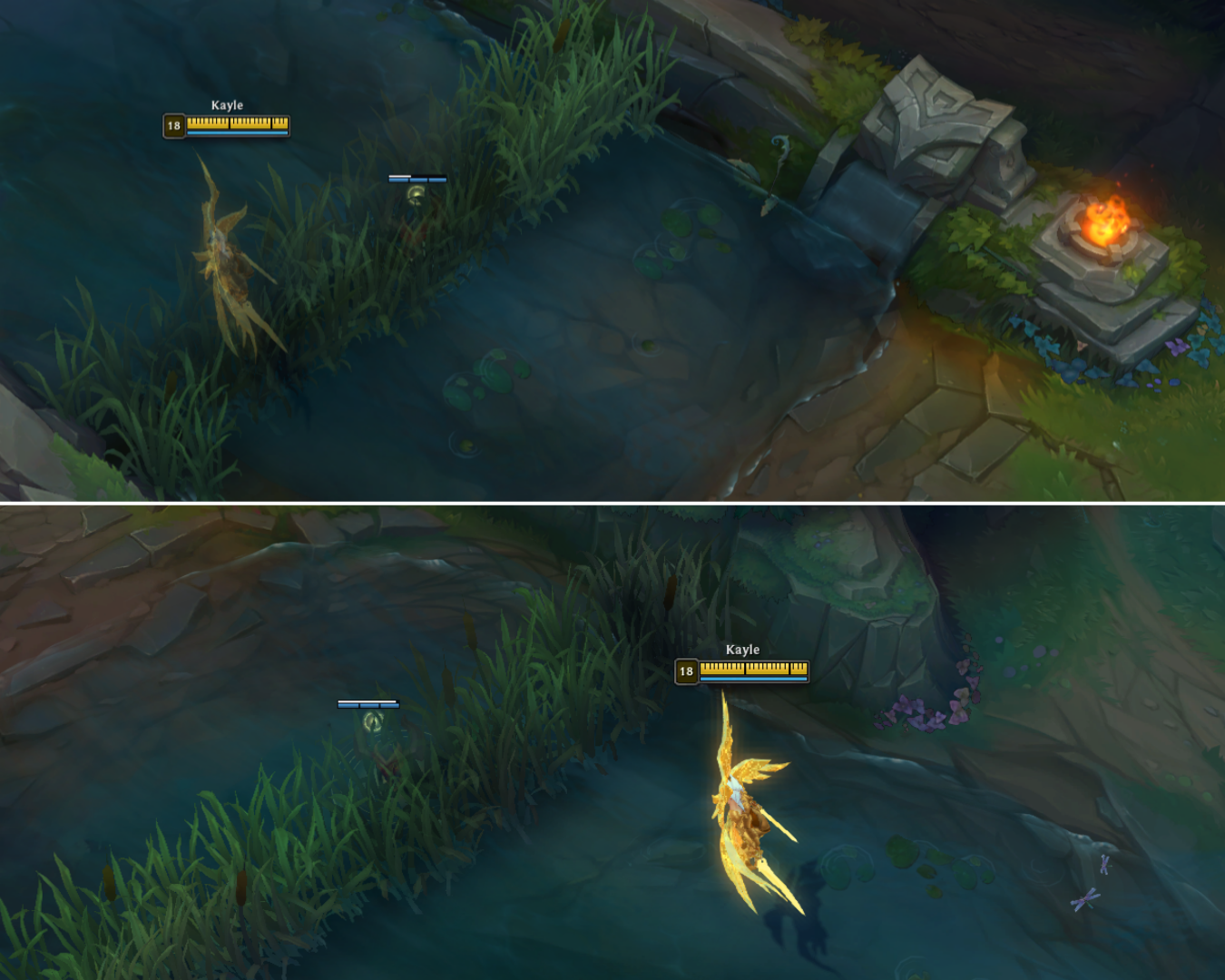
In the mid and late game, you serve as a global defense system in a way; you can help use your vision and roaming to call out roaming enemies, check enemy’s pressure on objectives, and rotate quickly to meet your allies where they need them most.
ADCs are crucial for the success of your team as a whole, and being in a 2v2 lane from the start can make you pretty susceptible to ganks. Usually it would just be the Jungler, but midlaners are known to sneak bot if you’re overextending. Some may say the answer is to just play back, but extending out may not be the worst decision if you work with your Support to keep good eyes on the map.
Early game, if you’re up against a Support that likes to hide in bushes to hook you, it may be beneficial to put your ward in a lane bush. If nothing else, it gives you some sight when they’re deciding to cast or lets you know they’re fishing for you. The Support will generally work to keep other people out of your lane thanks to their more bountiful ward supply. Keeping yourself able to stay alive and farm efficiently are important, so consider what vision you might need in lane.
As objectives spawn botside, try warding the pit or bushes leading into your lane if they are not already covered. Seeing how the enemy jungler will approach your lane can significantly improve your chances of surviving ganks, even if you are about to be 4v2. Even when Atakhan spawns and the pixel brush disappears, keeping vision there can be a major help when you’re pushing down the lane.
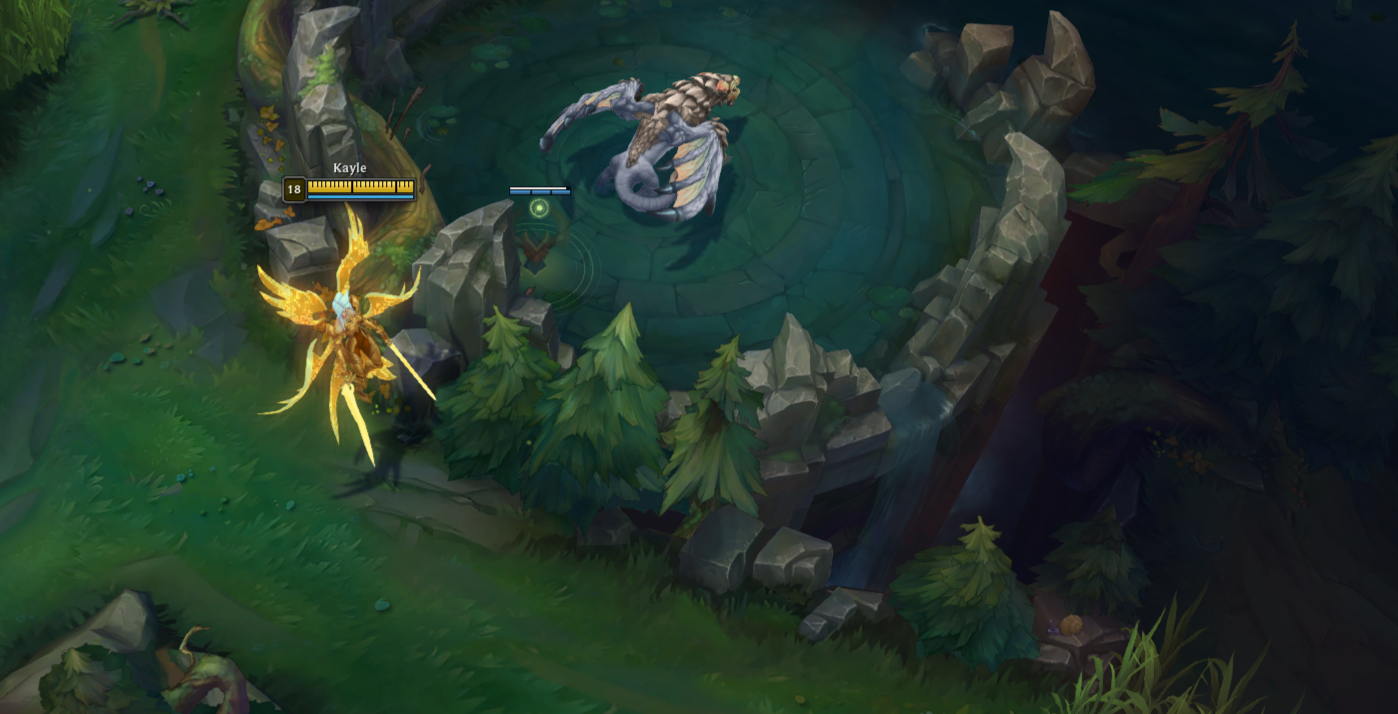
In the late game, make sure to use vision strategically. You do not want to walk face first into the entire enemy team if you can help it. Your Support will carry the brunt of the vision control on your team, but that doesn’t mean that you should stop warding. Find dark spots on the map that might be advantageous in a teamfight. Know where they might approach from, and you’re sure to survive longer!
Last, but definitely not least, Support takes the lead when it comes to managing your team’s vision on the map. A lot of people even view vision almost wholly as the Support’s job, which as we’ve seen is far from the case. It is true that you have the most access and means to vision control and are generally expected to be purchasing Control Wards as needed, but how you use them matters a lot.
Warding the river and pixel brushes are important to be your baseline, but you really want to focus on denying enemy vision when you can. Place control wards in the triangle bush on your side, since it’s riskier for the enemies to approach there. Try covering the Drake Pit with one to leave them in the darkness.
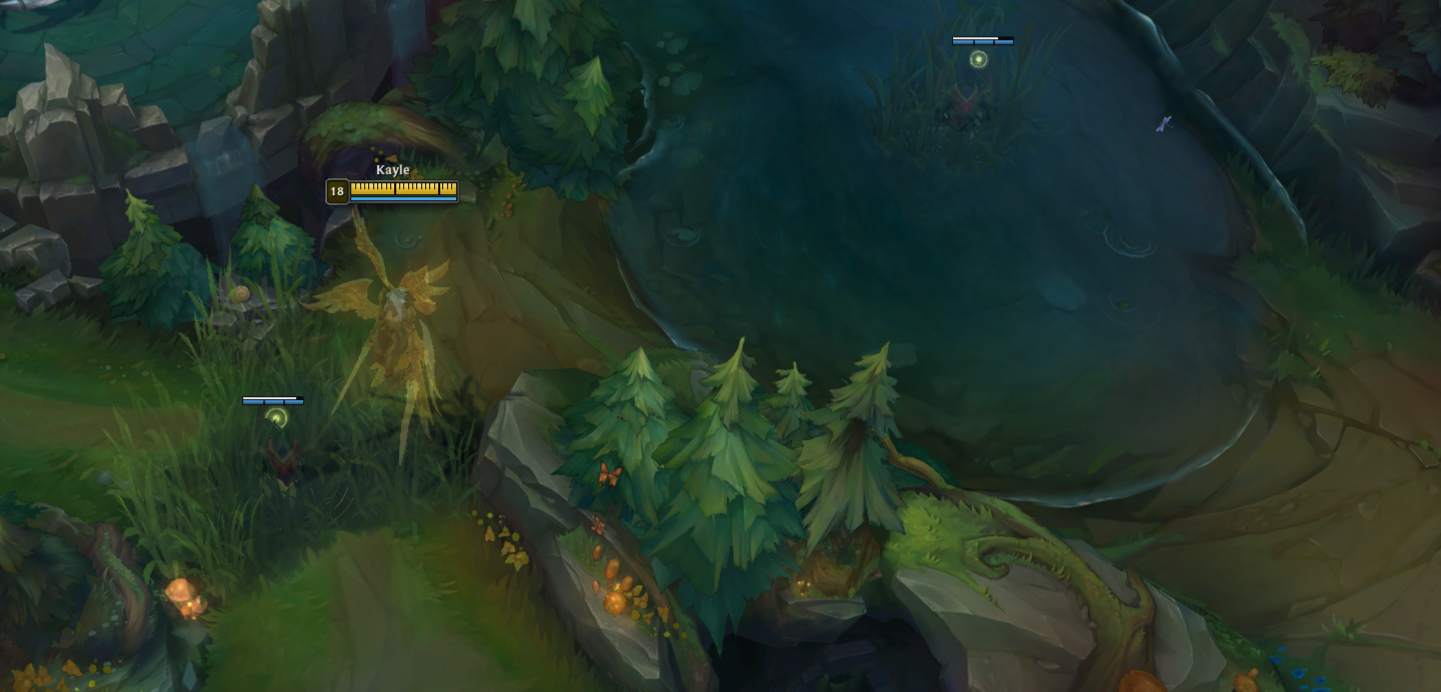
Once you have completed at least one level of your Support item quest, consider swapping to Oracle Lens and sweeping for vision as you roam. Supports do not need to farm in the traditional sense and will have more chances to roam to other parts of the map. Deep warding and objective zone control are key to your team succeeding, but remember to view your vision work as controlling, rather than just lighting up the map.
Vision is one of the most important fundamental skills in League of Legends, so responsibility for getting and maintaining vision is everyone’s job. Making sure that there is proper coverage across the map, especially when team fights are sure to break out soon, can give your team the advantage they need to clinch the win. Remember, it’s not just what you can see, it’s what the enemies don’t.