5 Reasons Why IEMs Are Better Than Headphones
If headsets feel too bulky and uncomfortable, then it might be time to give IEMs or In-ear Monitors a shot.
If headsets feel too bulky and uncomfortable, then it might be time to give IEMs or In-ear Monitors a shot.
Headphones are the go-to choice for most people when it comes to gaming. Headphones like the Logitech G Pro X or the Razer Blackshark V3 Pro have become the industry-standard for gaming headphones. To put it simply, headphones are great for gaming, but there is another alternative, and that’s IEMs or In-ear Monitors.
IEMs were originally produced to cater to the audiophiles and those who listen to or produce music. But they have slowly crept up into the gaming space, and many gamers are loving them. So, if you're tired of wearing bulky headphones, it might be time to give IEMs a shot.
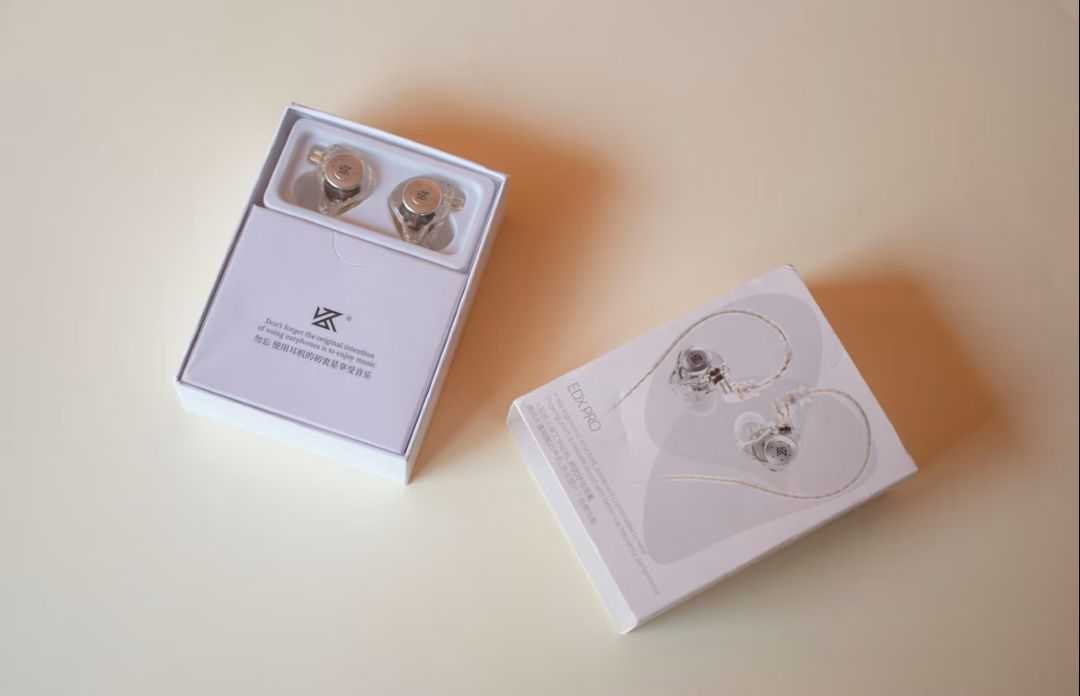
Image courtesy of unsplash
You know how I mentioned the Razer Blackshark V3 Pro and Logitech G Pro X as great headphones? Well, that’s true, but they are also quite expensive. For the average consumer, such a premium headset is often unfeasible.
But the issue is that most budget headphones aren’t that great. They are always some sort of trade-off when you opt for gaming headphones. If they sound great, the comfort can be terrible or vice versa.
That’s where IEMs come in; the entry point of a good pair of IEMs is much lower than that of a good pair of headphones. And that mostly comes down to the cost of manufacturing IEMs. IEMs only have two main working components: the IEMs themselves and the wire.
Most of the cost is spent on the IEMs, and the rest on the wire and other small components. On the other hand, headphones have many parts: the drivers, the cups, the headphones themselves, and the microphone. Good headphones might start from around $100, whereas good IEMs can start from $50.
For anyone on a budget, getting IEMs will give you the best bang for your buck in audio quality.
No matter how expensive the headphones are, they are always bulky and need readjustment every few minutes. If you are in a long gaming session, headphones tend to get uncomfortable after a few hours. They clamp up on your head, which tends to build up heat around your ears, which leads to occasional readjustment. It’s even worse in high-humidity areas. Not to mention the nasty head dent you end up with.
Compared to that, IEMs are much more comfortable. They are much lighter than headphones, so you don’t feel that bulkiness, and they are only in your ears instead of covering your entire head. Over long sessions, this results in less weight, which results in more comfort.
Of course, there is personal preference too. IEMs go inside your ear canal, which some might not prefer. Generally, if you are fine with using earbuds, you will be fine with IEMs because they work the same way.
There is only one thing that causes trouble when it comes to comfort in IEMs, and that’s the tips. If you end up getting tips that don’t fit your ear canal well, it’s even more uncomfortable than headphones. However, most decent IEMs come with different-sized tips in the box, or sell them separately.
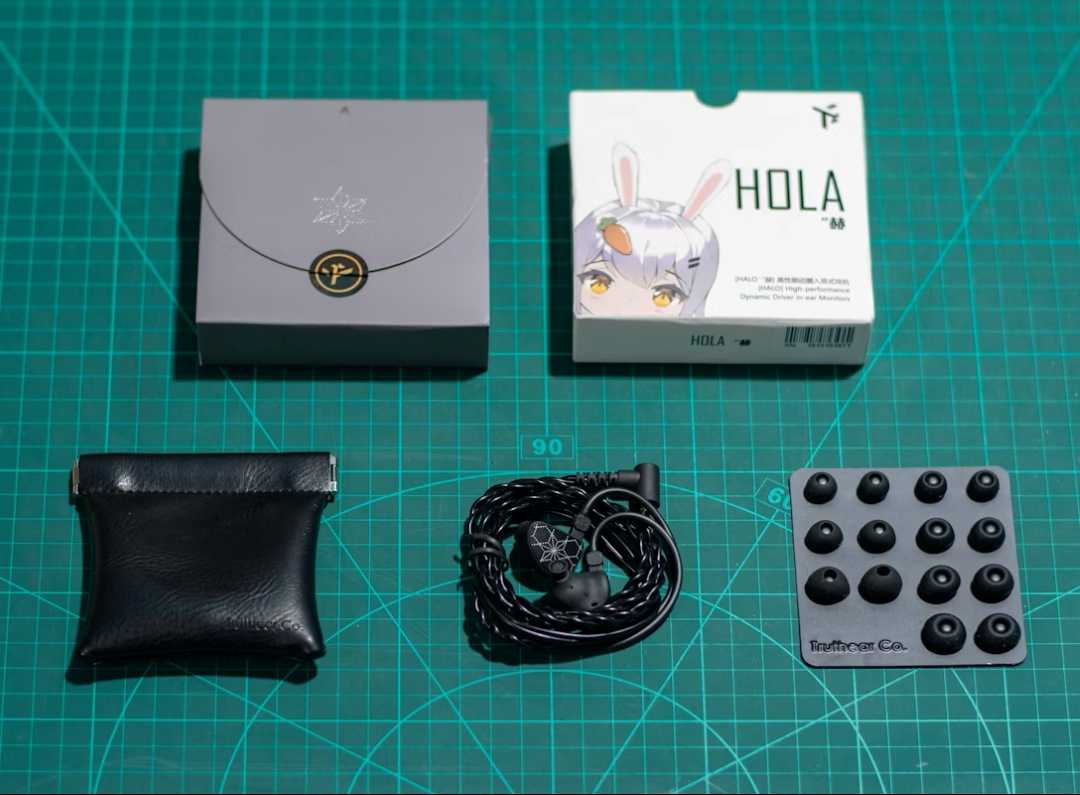
Image courtesy of unsplash
In any competitive game, audio is very important. Things like footsteps, gunshots, or other game-specific audio cues (planting/defusing the bomb) are quite important, and your listening device should be able to pinpoint accurately where these audio cues are coming from.
IEMs can offer more precise positional audio in competitive gaming because they deliver sound with exceptional clarity and speed. Their small drivers respond quickly to transients like footsteps and reloads, preventing sounds from blurring together.
Unlike over-ear headphones that create a wide, sometimes artificial soundstage, IEMs present audio in a tighter, more focused way, making left/right and front/back directions easier to judge.
With that said, headphones aren’t that terrible at positional cues either. Many premium headphones are popular because they do their job very well, and that is precise hearing in-game. But a good and accurate-sounding IEM is much cheaper than a good-sounding headphone. And, when you talk about the premium tier, it’s really hard to distinguish in sound quality, and it usually comes down to personal preference.
While premium headphones nowadays offer good noise cancellation, they often achieve it by increasing loudness. Because headphones sit over the ear, they have to be a bit loud in order to give you complete noise cancellation.
On the other hand, IEMs fit nicely into your ear canal, and they don’t need to be loud to give you noise isolation. You can have your IEMs set at 50% volume, and it would still be hard to hear any noise around you. This gives you a much more immersive experience when it comes to gaming.
While portability isn’t that important for gaming, it’s still worth mentioning. IEMs are quite lightweight, and you can easily ball them up and put them in a bag. If you are someone who carries their gear with them, whether it’s for local tournaments or LAN events, IEMs are easier to carry.
IEMs also last you longer than headphones, because they don’t break that easily. A headphone becomes useless even if one part of it breaks. For instance, if the headband becomes loose, the headphones become totally useless.
On the other hand, the only thing that usually breaks in an IEM is the wire, and you can easily replace it because most IEMs have detachable wires. Plus, dropping an IEM tends to cause much less damage than dropping a headphone.
Of course, there are trade-offs if you are opting for IEMs, and it’s important to be aware of them. If IEMs were better than headphones in every aspect, then everyone would be using IEMs. So, here are some caveats you should know about.
Apart from that, IEMs are definitely a great choice for gaming if you want performance, comfort and reliability.