CS2: P2000 v USP-S, The Ultimate CT Starter Pistol
Discover why these CT starter pistols matter, how they compare, and which one might give you the edge.
Discover why these CT starter pistols matter, how they compare, and which one might give you the edge.
On the CT side in CS2, you have two options to choose from as your starter pistol: the USP-S or the P2000. Both pistols have their strengths and weaknesses, and support different types of playstyles. This makes choosing between them a bit difficult for players.
At one end, you have the USP-S, known for its silencer and accuracy, and on the other, you have the P2000, known for its bigger magazine size and relentless aggression. Ultimately, choosing between them is difficult because of their similarities, so here is an unbiased comparison between the two.
The easiest way to compare both pistols is to compare their stats and conclude from there. So, here are the stats for each weapon.
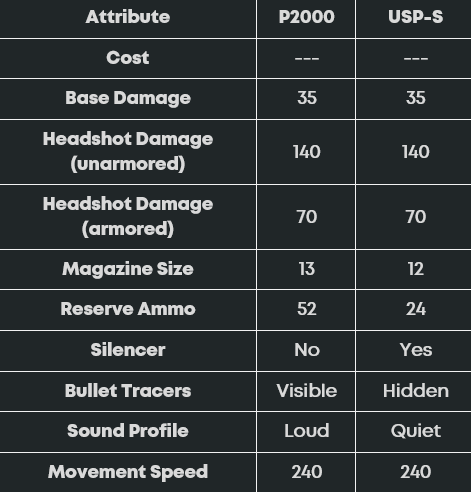
As you might have guessed, both weapons are extremely similar in stats. They are the same in damage, headshot multiplier, movement speed, and fire rate. This means in terms of raw output, both weapons are the same.
But where they do differ is in the magazine, reserve ammo count, and noise profile. These might sound like negligible factors, but that’s not true.
Damage-wise, both weapons output the same amount. So, if you are choosing a weapon based on damage, then they are the same. But, they do have their own pros and cons.
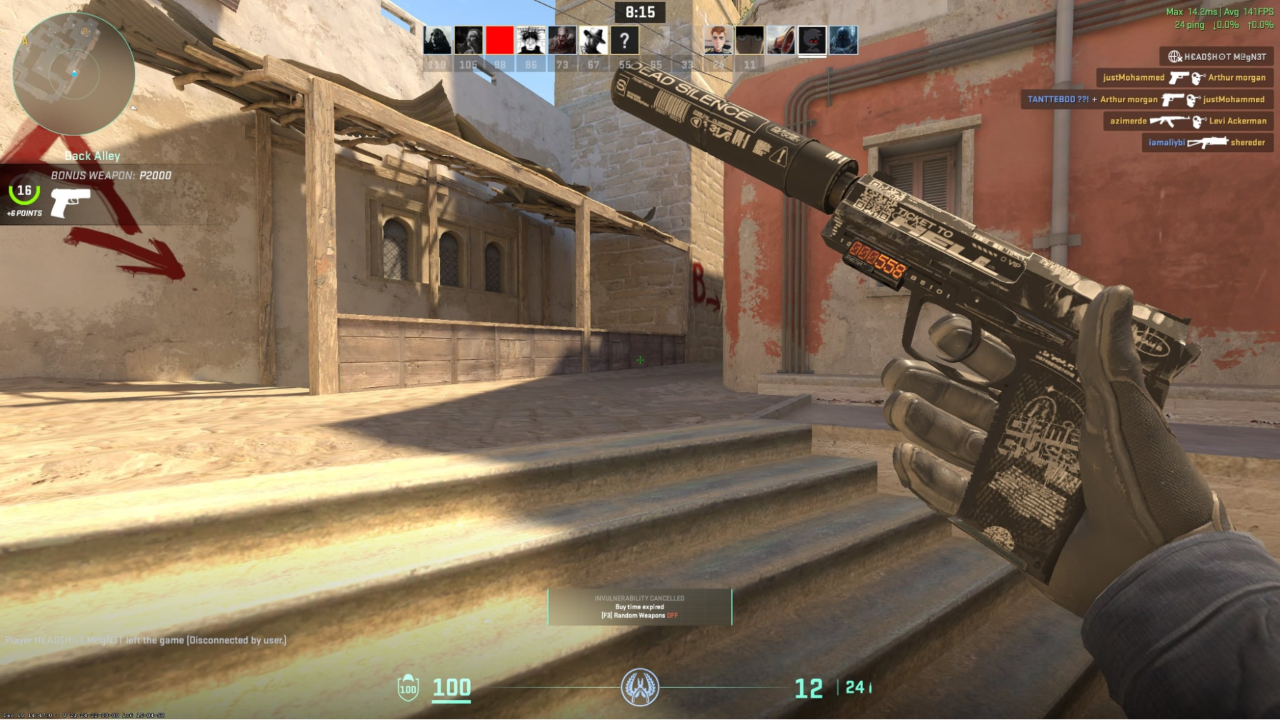
The key advantage of the USP-S is its higher accuracy, lack of bullet tracers, low sound profile, and easier-to-manage recoil. In simpler terms, this means that the USP-S is a bit more reliable when it comes to accuracy and recoil. It’s much easier to predict the recoil on the USP-S than the P2000. It’s also quieter and has no bullet tracers. This makes it great for spraying through smokes and during flanking.
However, the biggest con of the USP-S is the low magazine size and reserve ammo. You have 12 bullets per magazine and three magazines in total per round. For pistols/eco round, the reserve ammo runs out quite often if you are playing against a competent team.
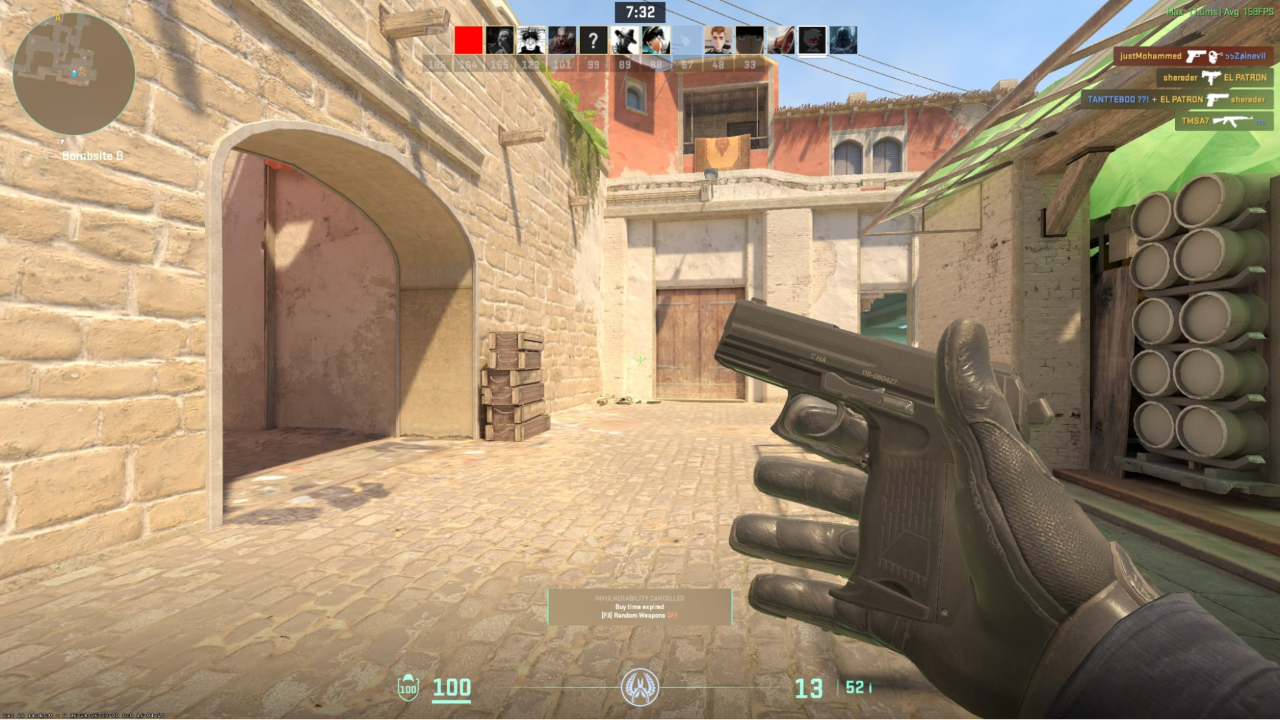
P2000 is inferior to the USP-S in terms of accuracy and recoil control, but makes up for it in magazine size and reserve ammo. The extra one bullet might not feel like much, but in a game where it only takes 4-5 shots to kill an enemy, that extra bullet can come in handy.
The difference in accuracy in recoil control isn’t that big, but it’s definitely noticeable. Generally, at long range, it’s much easier to aim with the USP-S than the P2000.
However, P2000 is great for aggressive players like entry fraggers. The extra reserve ammo allows you to spray without worrying about running out of ammo.
For most people, the answer is simple: Use the USP-S unless you have a reason not to.
Put it simply, the USP-S makes less noise, is more accurate and lacks bullet tracers, which are solid reasons to use it over the P2000. Yes, the ammo count is a con for this weapon, but it makes up for it in accuracy.
P2000 is great for players who have a very aggressive playstyle (confidently pushing close-quarter angles and chokepoints), basically in situations where accuracy won’t help you that much. But in most cases, the USP-S is better.
It’s not that the P2000 is useless. In fact, it has been used by pros often. Players like Rain prefer the P2000 over the USP-S. So, there is also a factor of personal preference. Generally, if you are confused between the two, just choose the USP-S.
To sum it up, both weapons are extremely similar and differ in accuracy and magazine count. You can pick either, and it will work fine; there is no serious disadvantage to using one over the other. This is the beauty of CS, where weapons are extremely balanced, and it’s the raw skill of the player that counts.
Sure, the USP-S is generally considered better because of the accuracy, but that doesn’t mean the P2000 is terrible in comparison. Both weapons are equally great, and it’s a matter of personal preference and playstyle.